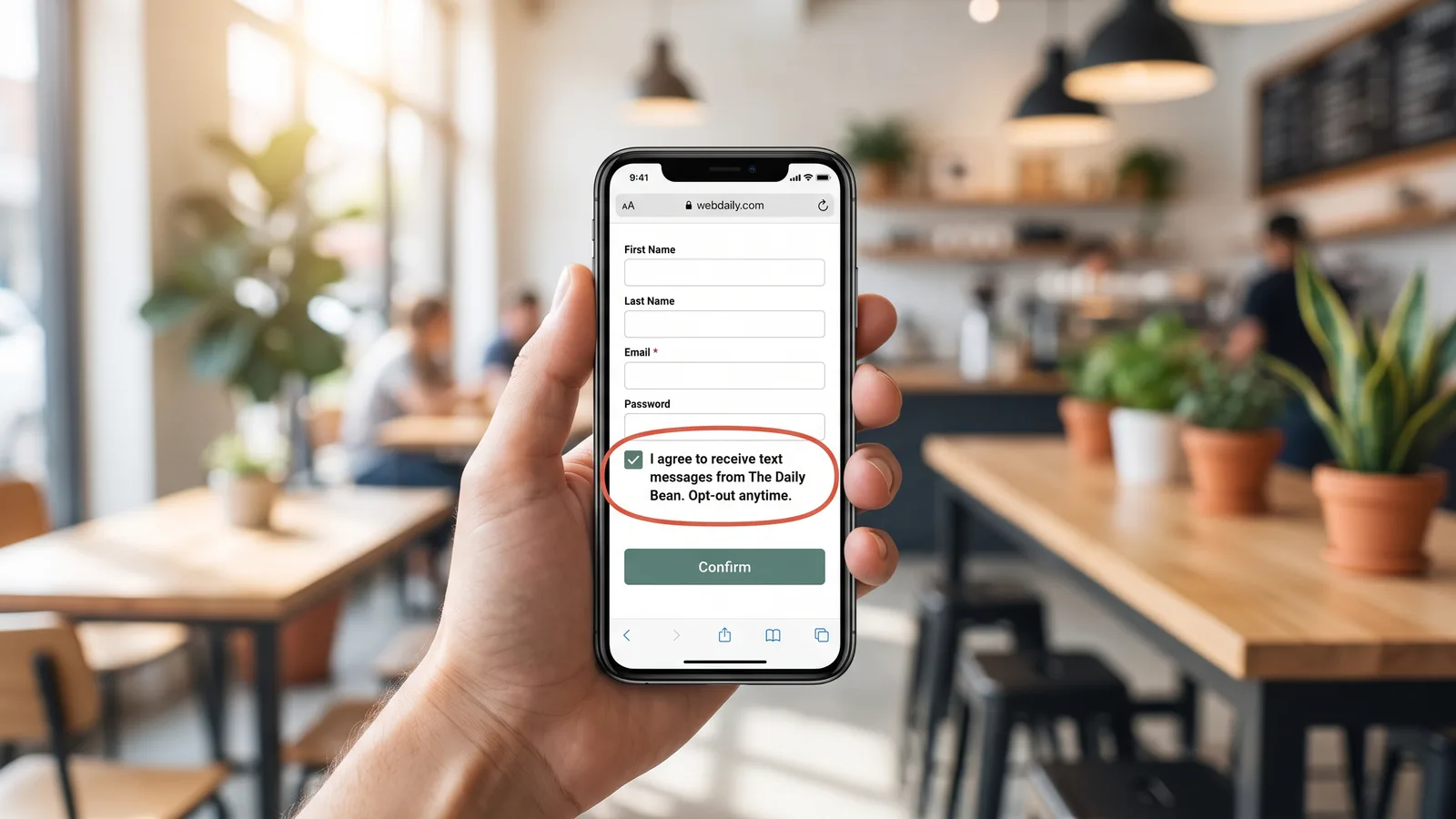
Texting is one of the most effective ways to reach customers, messages get read within minutes, far more than email or voicemail. But because it is so direct, it is also regulated. The good news: the rules are mostly common sense, and following them protects your business while keeping customers happy. Here is a plain-English guide.
Key takeaways
- Get clear consent before sending marketing texts, and be transparent about what people are opting into.
- Always offer an easy opt-out (reply STOP) and honor it promptly.
- Identify your business and only send what customers agreed to receive.
- Transactional texts (like appointment reminders) have more leeway, but consent is always the safe standard.
This guide is educational and not legal advice. For your specific situation, consult a qualified professional.
Why compliance matters (and is not scary)
SMS is powerful precisely because it is personal and immediate. That is also why there are rules: to protect people from spam and unwanted messages. Consumer protection laws and mobile carrier requirements govern how businesses can text, and ignoring them can mean penalties, blocked messages, and annoyed customers.
But compliance is not complicated for an honest local business. It boils down to a simple principle: text people who agreed to hear from you, send what they expect, and make it easy to stop. Do that, and texting becomes a trusted channel rather than a risk.
The core rules in plain English
| Rule | What it means in practice |
|---|---|
| Get consent | Have the customer clearly agree before sending marketing texts |
| Be transparent | Tell them what they will receive and roughly how often |
| Identify yourself | Every message should make clear who it is from |
| Honor opt-outs | Let them reply STOP and stop promptly when they do |
| Respect timing | Avoid early-morning or late-night marketing texts |
| Send what they agreed to | Do not use a service opt-in to blast unrelated promos |
Follow these and you are on solid ground.
Consent: the foundation
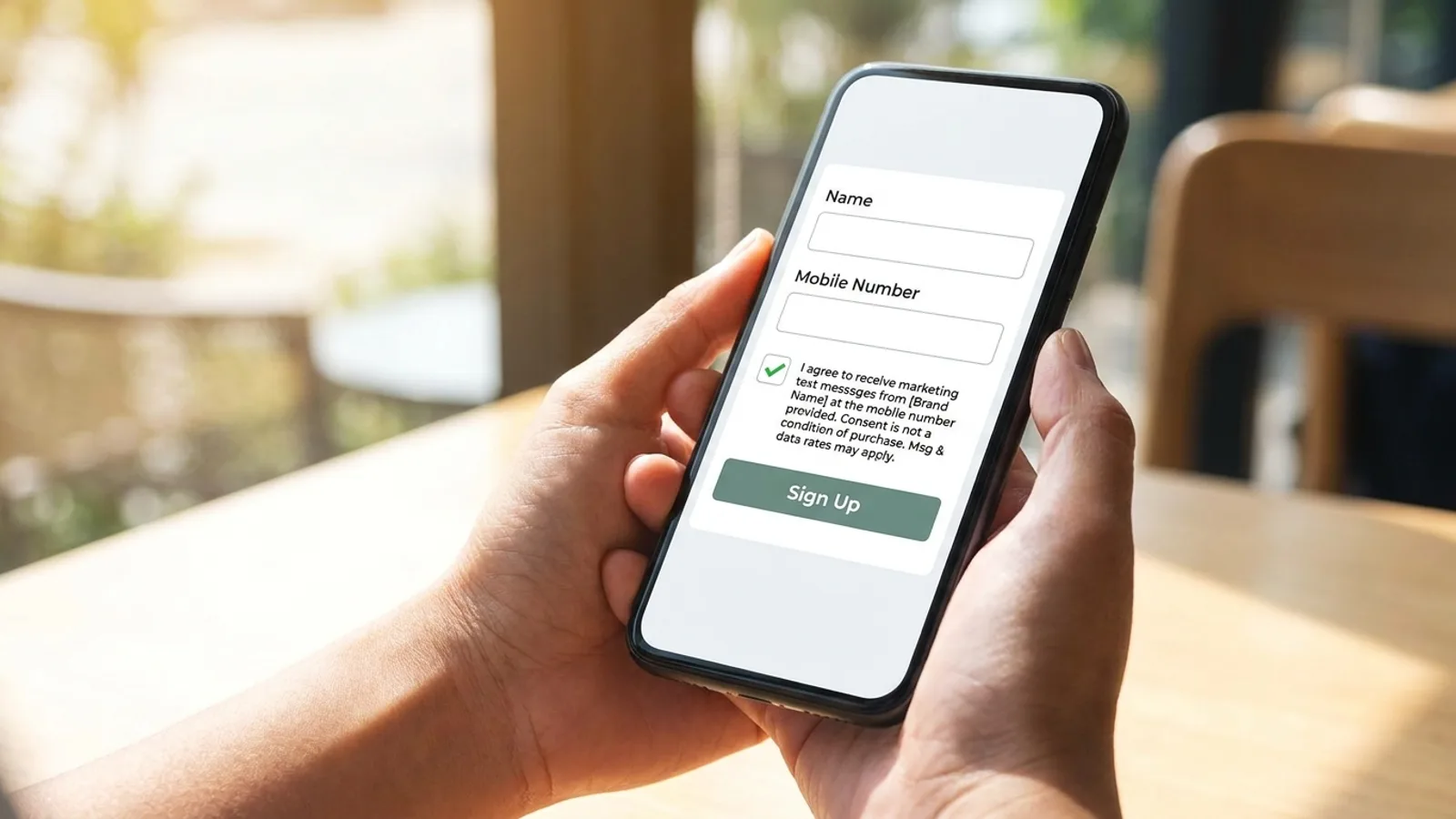
Consent is the heart of SMS compliance. Before sending marketing texts, the customer should knowingly agree, and it should be clear what they are agreeing to. Good ways to collect consent:
- A checkbox on your web form (not pre-checked) where they opt in to texts.
- Clear language near where they give their number: what you will send and how often.
- Verbal or written consent captured when they become a customer.
Keep a record of consent. If someone ever asks, you want to show they opted in.
Transactional vs marketing texts
There is an important distinction:
- Transactional texts relate directly to something the customer initiated, an appointment confirmation, a "we're on our way" update, a reply to their inquiry. These are expected and have more leeway.
- Marketing texts promote your services, specials, or ask for repeat business. These require clearer consent.
A missed-call text-back that responds to someone who just called you is close to transactional, they reached out first. A promotional blast to old customers is marketing and needs proper opt-in. When in doubt, treat it as marketing and get consent.
Opt-outs: make stopping easy
Every recipient must be able to opt out easily, and you must honor it promptly. The standard is a simple reply STOP. A good texting system:
- Recognizes STOP (and common variations) automatically.
- Stops texting that person immediately.
- Keeps a suppression list so they are not accidentally texted again.
Respecting opt-outs is not just legal, it is good business. Someone who wants out and keeps getting texts becomes an angry review waiting to happen.

Build compliance into your systems
The easiest way to stay compliant is to use tools that handle it for you. A well-built lead and messaging system:
- Captures and records consent at opt-in.
- Includes your business identity in messages.
- Processes STOP requests automatically and maintains a suppression list.
- Respects sending windows for marketing messages.
That means your follow-up campaigns, reminders, and review requests run within the rules by default, so you get all the power of texting without the worry. It all lives in your CRM, which keeps consent and opt-out status attached to each contact.
For the official consumer-protection perspective, the FTC publishes guidance on marketing and consumer rights worth reviewing.
The bottom line
Texting customers is legal, effective, and expected, when you do it right. Get clear consent, be transparent, identify yourself, send only what people agreed to, and make opting out effortless. Build those rules into your systems and texting becomes one of your most powerful, and trusted, channels.
Want texting that is both effective and compliant out of the box? Request a free audit and we will set up your lead and messaging systems the right way.